
Story-led SEO Strategy: A Smarter Approach to SEO

SEO strategy today must understand human intent, deliver real value, and create pathways that align with your customer’s journey.
5 Content Marketing Success Metrics You Should Track

In this blog, we’ll discuss five lesser-known yet powerful metrics that can help you optimise your content marketing efforts, make smarter decisions, and better align your spending with results.
The 6 Steps To Great B2B Storytelling

This guide provides a practical blueprint for success in writing a case study, scripting a customer video, or building your brand story.
Solutions to Common Content Strategy Challenges
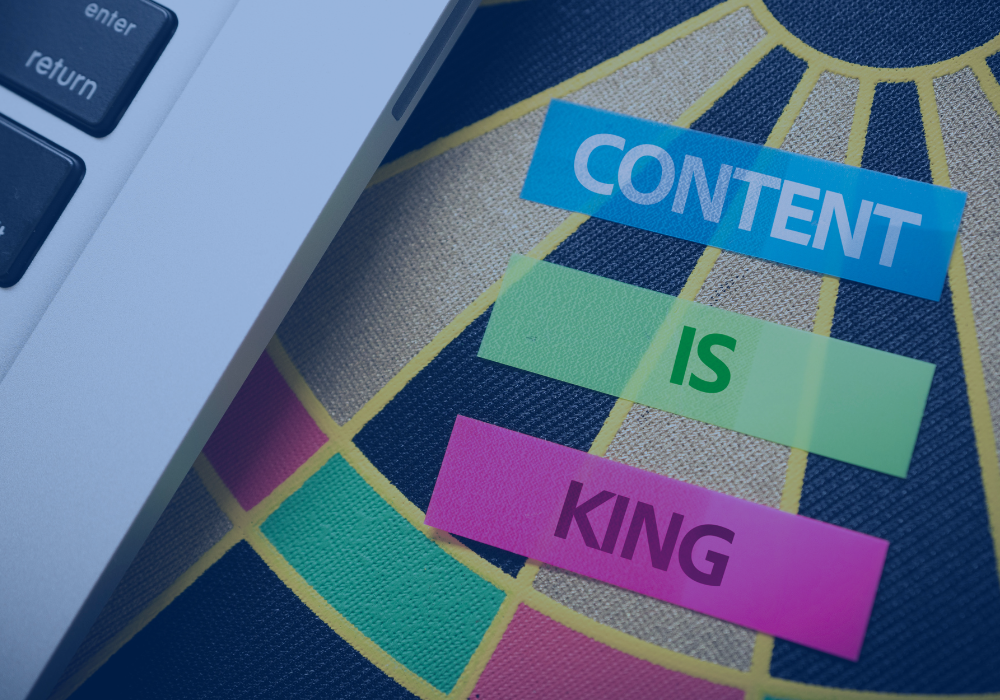
In 2025, content strategy is no longer just “marketing’s job.” It’s the connective tissue between brand, demand, and revenue.
The Power of Branding in a Knockoff Culture

Copycat branding is a strategy and deliberate move to imitate visual cues of trusted, established brands. The idea is simple: if consumers recognize the packaging, they might associate it with the quality of the original, even if it’s not the same product.
When a product appears familiar, we often associate it with past experiences, emotions, or perceived value.
In a world of fast fakes and lookalike marketing, authentic brands that lead with clarity, purpose, and conviction will survive and define the future.
Rebranding Your Business: 5 Stages for a Successful Brand Transformation

Discover how to rebrand your business effectively by following five structured stages – from in-depth research and strategy to creative development, launch, and ongoing refinements. Learn to resonate with evolving customer needs and drive long-term brand growth.
5 Compelling Rebranding Stories

Every brand has a story to tell. Over time, even the strongest brand can lose its edge. That’s where a well-executed rebranding can breathe fresh life into an organization.
In the following five examples, Dunkin’, Mastercard, Old Spice, Mailchimp, and Dropbox, you’ll see how legacy brands and upstart companies alike took bold steps to reshape public perception.
How to Decide Between A Rebranding Or Repositioning?

How do you decide if your B2B business needs rebranding or repositioning. Read this blog to find out.
How Zero-Party Data will Transform Branding

The future of branding isn’t about amassing data; it’s about cultivating trust. In the coming years, trust will be the key differentiator between brands that merely survive and those that truly thrive.
Branding relied for a long time on third-party data, information collected by external tracking tools, data brokers, and ad platforms, to map consumer behaviour across the internet.
This data came from:
Tracking cookies that followed users across websites
Data brokers that purchased consumer insights and resold them
Social platforms that secretly harvested user behaviours for ad targeting
Now, Google is phasing out third-party cookies by 2025, Apple’s iOS privacy updates have crippled third-party data collection, and consumers are increasingly demanding transparency in how brands use their data.
Top 5 Digital Marketing Trends for 2025

This blog explores the top five digital marketing trends in 2025, highlighting how they impact B2C and B2B organisations.